


Why One Breached Email Puts Your Entire Digital Life at Risk
- Posted in:
- Software
Why One Compromised Email Can Put Your Entire Digital Life at Risk
Ask anyone how many online accounts they have, and the answer rarely matches reality. Most people remember the ones they use often, forgetting the dozens of services tied to a single inbox over the years.
Shopping apps, delivery platforms, school tools, subscription trials — every one of them relies on the same address for access, recovery codes, and profile updates. This slow accumulation forms a web where everything connects through one point, even if the user never paid much attention to how large that web has become.
Once this point is compromised, the effect spreads quickly. Old accounts still hold permissions, backup emails remain active from past setups, and services you haven’t touched in years continue to treat your inbox as a trusted channel. A breach taps into all those forgotten links at once.
That’s why a single compromised email can trigger consequences across multiple parts of your digital life before you even notice something unusual.
The Email Address That Quietly Connects Everything
Email was once a simple communication tool. Now it silently coordinates nearly every online interaction.
Any service that requires registration builds its relationship around email. It becomes the bridge linking unrelated accounts, though this connection usually becomes visible only when something breaks.
If you look at how this chain forms, the level of dependence becomes clearer:
- Logins for websites and mobile apps,
- Password recovery,
- Approval of new features,
- Device pairing,
- Subscription management,
- “Sign in with email” options across services.
This structure grows gradually. At some point, one inbox becomes linked to dozens of places that no one actively tracks. That accumulation sets the stage for wide-ranging consequences when the account is breached.
Small Weak Spots That Open the Door to Larger Problems
Major breaches rarely begin with dramatic failures. They start with small behaviors that seem harmless.
Before outlining the common weak points, it helps to acknowledge something simple: most issues come from routine actions, not carelessness.
Here are the areas where early cracks usually appear:
- Reusing the same password across unrelated services;
- Old devices still logged in long after being replaced;
- Cloud folders with auto-sync enabled, holding forgotten documents;
- Filters or forwarding rules created years ago;
- Third-party apps with “temporary” access that was never removed.
Each item on its own feels insignificant. Combined, they form a path that attackers can follow without much resistance.
How Attackers Move Through Linked Accounts Once They Get In
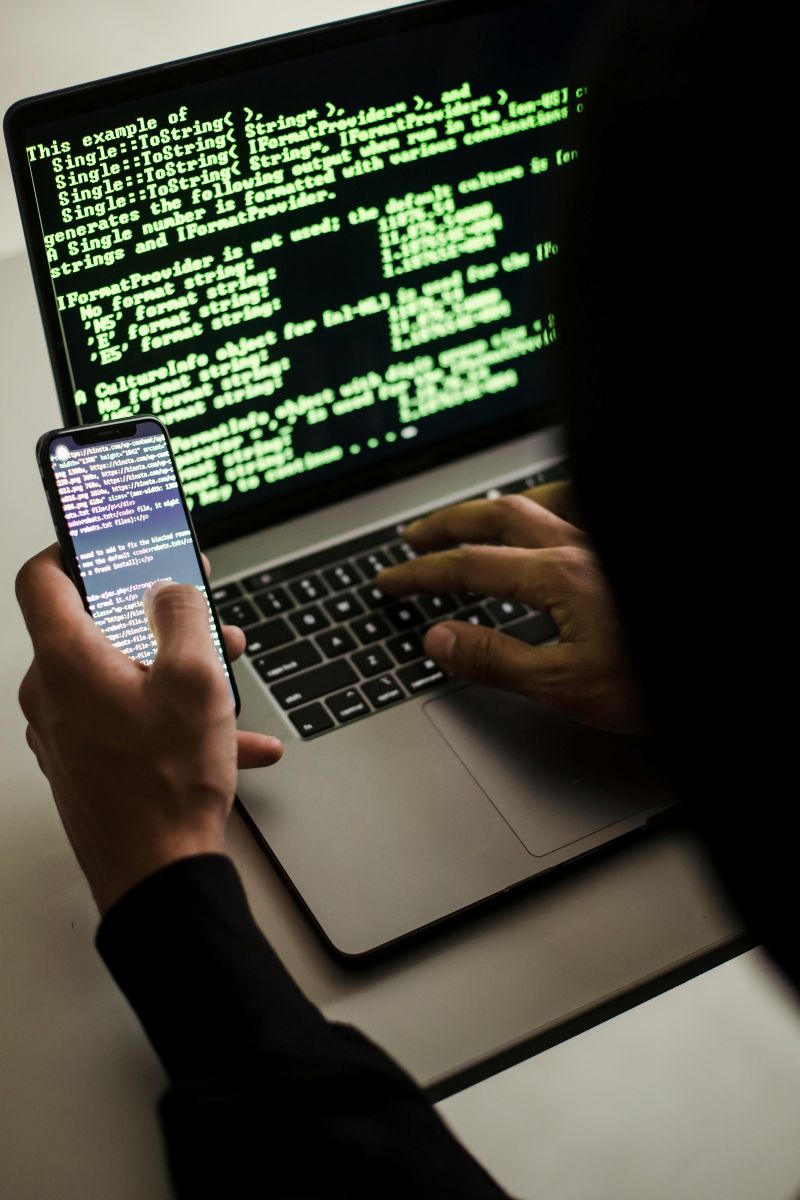
Once access is obtained, attackers rarely act at random. They look for the easiest doors to walk through and follow the structure the user has already built.
A typical sequence looks like this:
- Reading recent emails to identify connected services;
- Sending password-reset requests across those services;
- Opening old attachments or forwarded documents that contain sensitive data;
- Attempting logins on financial platforms and backup services.
This progression can happen quietly, especially if the victim overlooks early warning signs. Regaining control later becomes far more complicated.

Where Stolen Email Data Travels After a Breach
People often imagine stolen data remaining with one individual. In reality, it spreads quickly into places the average user never visits.
These are the most common destinations:
- Closed forums trading access credentials;
- Bundles of “ready-to-use” accounts for automated schemes;
- Mass-marketing databases used for spam and scam campaigns;
- Lists designed for credential-stuffing operations.
To stay ahead of this, many users rely on dark web monitoring. This service alerts them when an email address, password, or other personal details appear on hidden marketplaces or forums.
It removes the need to explore dangerous spaces, delivering timely warnings so passwords, recovery options, or linked accounts can be secured before serious damage occurs.
Habits That Increase Exposure Without Calling Attention to Themselves
Some behaviors feel too ordinary to worry about, yet they gradually widen the attack surface.
The most influential habits include:
- Saving passwords automatically everywhere;
- Clicking through emails with convincing buttons or layouts;
- Using the same mail client across multiple devices for years;
- Allowing marketing newsletters without adjusting privacy preferences;
- Ignoring alerts about new logins or unusual attempts.
Repeated over long periods, these patterns create fertile ground for attackers.
Protective Measures That Actually Limit the Damage
Improving safety does not require advanced tools. A few thoughtful adjustments can significantly reduce exposure.
1. Separate important accounts from everyday ones
Services connected to finances, identity documents, or work projects should follow stricter rules. When everything depends on one email configuration, a breach spreads too far.
2. Review old security settings
Forwarding rules, backup addresses, trusted devices, and third-party permissions should be checked periodically. These items do not expire on their own.
3. Maintain a secondary email for low-importance registrations
Some people create a separate address for apps, newsletters, trials, and quick sign-ups. This protects the primary email from unnecessary data sharing.
4. Enable monitoring for breaches and suspicious activity
When a service sends alerts about exposed data, users gain time to act before the breach escalates. This single habit prevents many long-term issues.
These measures limit how far attackers can go, even if they manage to access a single account.
Keeping an Inbox Dependable as Your Digital Life Expands
As people adopt new tools, email remains the anchor for nearly everything online. It remains essential, even when apps promise easier alternatives.
Maintaining a dependable inbox comes from awareness rather than strict oversight. Regular checks of permissions, recovery options, and potential leaks help keep the account stable.
Once these habits settle into daily life, email stops being the weak link. It becomes a predictable, manageable foundation that supports the entire digital environment — and resists attempts to exploit it.